By senzeal-auto.com | 30 June 2020 | 0 Comments
My Car is Overheating!
Help! My Car is Overheating!
First, always carry an extra bottle of coolant (also called antifreeze) in your car, as well as a jug of water. Engines typically overheat because the coolant’s low, so topping it off will usually solve the problem. Failing that, water will also temporarily do the trick. Plus, that water could be a lifesaver on long, sweltering summer drives. Just don’t drink it all.
When you see the temperature gauge creeping into the red or a notification light glowing, immediately turn off your air conditioner (since the AC puts a lot of strain on your engine).
If the problem persists, crank your heater up to the full blast. It could make the next few miles a pretty brutal experience, but the transfer of heat away from the engine might just save its life.
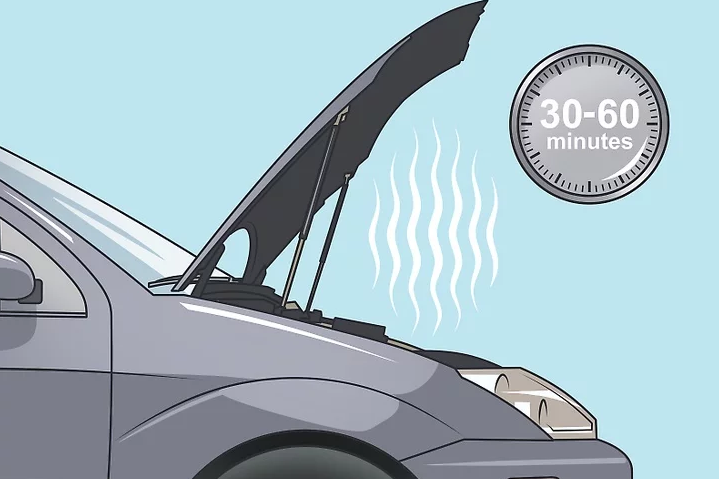
Should the preceding steps fail, pull over as soon as you can. Turn off the engine. If you can pop the hood from the driver’s seat, do so — but don’t risk opening it by hand until the engine has cooled, especially if you see steam wafting off the engine. It typically takes a solid 30 minutes for an engine to cool down enough for it to be safe to handle. If you’d rather let a professional handle the problem, it’s time to call for a tow truck.
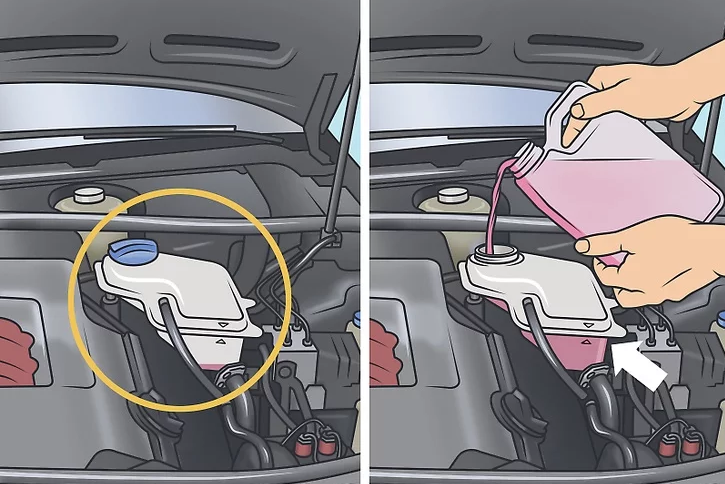
Once the engine has cooled, check the coolant tank. It’s usually a translucent plastic tank near the radiator. If the coolant tank is empty, you may have sprung a leak. Take a quick look under the car. If you notice a drip or puddle, chances are the coolant tank is leaking.
If you do have a leak, carefully open the radiator cap. Place a cloth over the radiator cap to protect your hand, and tilt the cap away from you as it opens. Refill the cooling radiator with your spare coolant or water. Do not pour cold water into a still-hot radiator — it could cause the engine block to crack due to the sudden change in temperature. If you absolutely have to add water while the engine is still warm, pour slowly while the engine is running in neutral or park.
Note that most cars require a 50/50 mix of coolant with water to prevent overheating, so you will be able to drive indefinitely with nothing but water. If you don’t have coolant on hand when your car overheats, make sure to add a comparable amount of coolant as soon as possible.
If the coolant tank is full, the problem may be electrical or mechanical in nature, in which case a tow to the nearest repair shop is definitely in order. A leaking hose, worn or broken fan belt, bad water pump, or malfunctioning thermostat may be the culprit.

What to do if you’re in traffic
Being in traffic when your car is overheating can make the situation that much more stressful. But it’s important that you let your cooler head prevail and follow these tips:
If you’re stopped in traffic, put the car in neutral or park and rev the engine a bit. This will encourage water and airflow through the radiator, helping to cool it.
If you’re in stop-and-go traffic, aim to creep rather than alternating between braking and accelerating. Braking generates a lot of friction, which will only turn up the heat.
If the needle’s in the red
It’s not common for contemporary cars to overheat, and it’s never a good thing, regardless of your vehicle’s age. If you find that your car is overheating regularly, it’s probably an indication of a larger problem, so consult your repair shop or trusted auto expert.

In the summertime
Keep the livin' easy by watching the temperature gauge, storing bottles of water and coolant in the back, and maybe even stashing this list in your glove compartment. You don’t want a volcanically hot engine ruining your summer road trip — or worse yet, your engine.
Go to the following and seek more Car Tools & Equipment products for your car: https://senzeal-auto.com/c/tools-amp-equipment-0376
First, always carry an extra bottle of coolant (also called antifreeze) in your car, as well as a jug of water. Engines typically overheat because the coolant’s low, so topping it off will usually solve the problem. Failing that, water will also temporarily do the trick. Plus, that water could be a lifesaver on long, sweltering summer drives. Just don’t drink it all.
When you see the temperature gauge creeping into the red or a notification light glowing, immediately turn off your air conditioner (since the AC puts a lot of strain on your engine).
If the problem persists, crank your heater up to the full blast. It could make the next few miles a pretty brutal experience, but the transfer of heat away from the engine might just save its life.
Should the preceding steps fail, pull over as soon as you can. Turn off the engine. If you can pop the hood from the driver’s seat, do so — but don’t risk opening it by hand until the engine has cooled, especially if you see steam wafting off the engine. It typically takes a solid 30 minutes for an engine to cool down enough for it to be safe to handle. If you’d rather let a professional handle the problem, it’s time to call for a tow truck.
Once the engine has cooled, check the coolant tank. It’s usually a translucent plastic tank near the radiator. If the coolant tank is empty, you may have sprung a leak. Take a quick look under the car. If you notice a drip or puddle, chances are the coolant tank is leaking.
If you do have a leak, carefully open the radiator cap. Place a cloth over the radiator cap to protect your hand, and tilt the cap away from you as it opens. Refill the cooling radiator with your spare coolant or water. Do not pour cold water into a still-hot radiator — it could cause the engine block to crack due to the sudden change in temperature. If you absolutely have to add water while the engine is still warm, pour slowly while the engine is running in neutral or park.
Note that most cars require a 50/50 mix of coolant with water to prevent overheating, so you will be able to drive indefinitely with nothing but water. If you don’t have coolant on hand when your car overheats, make sure to add a comparable amount of coolant as soon as possible.
If the coolant tank is full, the problem may be electrical or mechanical in nature, in which case a tow to the nearest repair shop is definitely in order. A leaking hose, worn or broken fan belt, bad water pump, or malfunctioning thermostat may be the culprit.

What to do if you’re in traffic
Being in traffic when your car is overheating can make the situation that much more stressful. But it’s important that you let your cooler head prevail and follow these tips:
If you’re stopped in traffic, put the car in neutral or park and rev the engine a bit. This will encourage water and airflow through the radiator, helping to cool it.
If you’re in stop-and-go traffic, aim to creep rather than alternating between braking and accelerating. Braking generates a lot of friction, which will only turn up the heat.
If the needle’s in the red
It’s not common for contemporary cars to overheat, and it’s never a good thing, regardless of your vehicle’s age. If you find that your car is overheating regularly, it’s probably an indication of a larger problem, so consult your repair shop or trusted auto expert.

In the summertime
Keep the livin' easy by watching the temperature gauge, storing bottles of water and coolant in the back, and maybe even stashing this list in your glove compartment. You don’t want a volcanically hot engine ruining your summer road trip — or worse yet, your engine.
Go to the following and seek more Car Tools & Equipment products for your car: https://senzeal-auto.com/c/tools-amp-equipment-0376
Leave a Reply
Your email address will not be published.Required fields are marked. *