By senzeal-auto.com | 16 October 2019 | 0 Comments
How Much Is the Toyota Highlander Tire Pressure Standard?
How Much Is the Toyota Highlander Tire Pressure Standard?
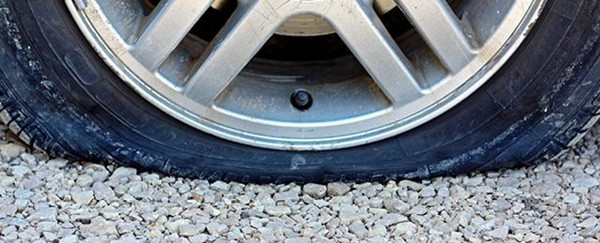
Toyota Highlander normal tire pressure is 2.2--2.5; If the tire pressure is too low, the brake distance will be shorter accordingly, there is better grip when turning, of course, there is no disadvantage, low pressure will make the car more expensive oil. In the process of driving, the tire pressure is too low, so that the fragile tire sidewall is continuously compressed and restored, which is easy to cause fatigue of the tire, accelerate the temperature rise, and may cause a puncture at a certain temperature.
If the tire pressure is too high, it can be more fuel-efficient, and it will feel lighter in the direction. Although the benefits of high tire pressure are quite large, there are also disadvantages, that is, the braking distance will become longer. Due to the tire pressure is too high, the ground contact area of the tire becomes small, and the adhesion is deteriorated. Meanwhile, there is also a fragile sidewall that is easy to bulge.

Dangers of Driving on Over-Inflated Tires:
a. The friction and adhesion of the tire will decrease, affecting the braking effect;
b. The steering wheel is shaken and deflected to reduce the comfort of driving;
c. Accelerate the local wear of the pattern in the center of the tire tread, so that the life of the tire is down;
d. The vibration of the body becomes large, which indirectly affects the lives of other parts;
e. The tire cord is subjected to excessive stretching deformation, and the elasticity of the carcass is lowered so that the load on the vehicle during driving is increased;
f. Decrease the rolling resistance. When encountering sharp objects such as nails and glass on the road surface, it is easy to get stuck in the tire, and the impact will cause internal cracking and blasting, resulting in a puncture.

Dangers of Driving on Under-Inflated Tires:
a. The coefficient of friction with the road surface will increase and the fuel consumption will increase;
b. The steering wheel is very heavy, easy to run off and other factors that are not good for driving safety;
c. Increasing the amount of movement of various parts of the tire, excessive rolling causes abnormal heating of the tire;
d. The function of the cord and the rubber is lowered, causing delamination or excessive friction between the cord and the rim to cause damage to the bead portion and abnormal wear;
e. The friction between the tire and the ground is multiplied, the tire temperature rises sharply, the tire becomes soft, and the strength drops sharply. When the vehicle is driving at a high speed, it may cause a puncture;
f. If the tire pressure is too low, the carcass deformation will increase, the sidewall will be prone to cracks, and at the same time, the flexing motion will cause excessive heating, which will cause the rubber to age, the ply fatigue, the cord to break, and the tire grounding area will increase. Accelerate shoulder wear.

Go to the following and seek more Wheels & Tires products for your car: https://senzeal-auto.com/c/wheels-amp-tires-0375
Toyota Highlander normal tire pressure is 2.2--2.5; If the tire pressure is too low, the brake distance will be shorter accordingly, there is better grip when turning, of course, there is no disadvantage, low pressure will make the car more expensive oil. In the process of driving, the tire pressure is too low, so that the fragile tire sidewall is continuously compressed and restored, which is easy to cause fatigue of the tire, accelerate the temperature rise, and may cause a puncture at a certain temperature.
If the tire pressure is too high, it can be more fuel-efficient, and it will feel lighter in the direction. Although the benefits of high tire pressure are quite large, there are also disadvantages, that is, the braking distance will become longer. Due to the tire pressure is too high, the ground contact area of the tire becomes small, and the adhesion is deteriorated. Meanwhile, there is also a fragile sidewall that is easy to bulge.

Dangers of Driving on Over-Inflated Tires:
a. The friction and adhesion of the tire will decrease, affecting the braking effect;
b. The steering wheel is shaken and deflected to reduce the comfort of driving;
c. Accelerate the local wear of the pattern in the center of the tire tread, so that the life of the tire is down;
d. The vibration of the body becomes large, which indirectly affects the lives of other parts;
e. The tire cord is subjected to excessive stretching deformation, and the elasticity of the carcass is lowered so that the load on the vehicle during driving is increased;
f. Decrease the rolling resistance. When encountering sharp objects such as nails and glass on the road surface, it is easy to get stuck in the tire, and the impact will cause internal cracking and blasting, resulting in a puncture.

Dangers of Driving on Under-Inflated Tires:
a. The coefficient of friction with the road surface will increase and the fuel consumption will increase;
b. The steering wheel is very heavy, easy to run off and other factors that are not good for driving safety;
c. Increasing the amount of movement of various parts of the tire, excessive rolling causes abnormal heating of the tire;
d. The function of the cord and the rubber is lowered, causing delamination or excessive friction between the cord and the rim to cause damage to the bead portion and abnormal wear;
e. The friction between the tire and the ground is multiplied, the tire temperature rises sharply, the tire becomes soft, and the strength drops sharply. When the vehicle is driving at a high speed, it may cause a puncture;
f. If the tire pressure is too low, the carcass deformation will increase, the sidewall will be prone to cracks, and at the same time, the flexing motion will cause excessive heating, which will cause the rubber to age, the ply fatigue, the cord to break, and the tire grounding area will increase. Accelerate shoulder wear.

Go to the following and seek more Wheels & Tires products for your car: https://senzeal-auto.com/c/wheels-amp-tires-0375
Leave a Reply
Your email address will not be published.Required fields are marked. *